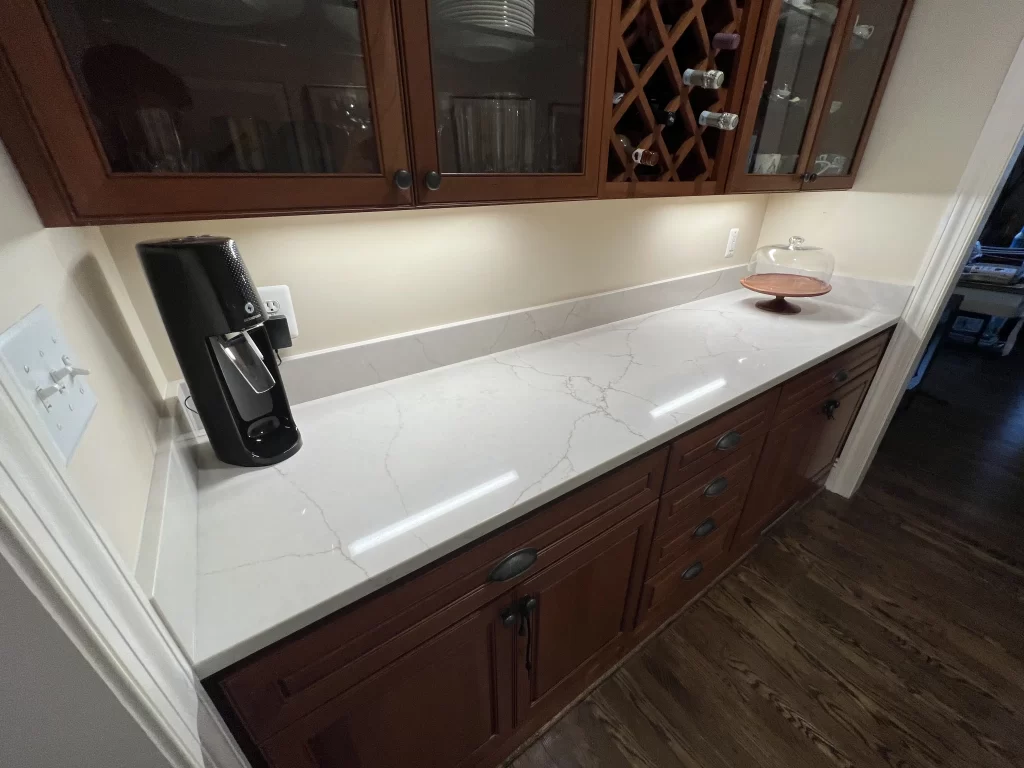
Benefits of Renovating Your Kitchen and Bathroom Simultaneously

Thoughts on remodeling, renovation, especially kitchen remodeling, bathroom remodeling, and all-inclusive remodeling.

Kitchen Design

Benefits of Renovating Your Kitchen and Bathroom Simultaneously

The kitchen and bathroom are the most used rooms in the home–for both homeowners and guests. These rooms are the focal points of the home and add value and functionality to the space. From daily tasks like cooking and bathing to celebrations and holiday events, the kitchen and bathroom serve as pivotal rooms in the home, which must be functional and have flair. For a home with an outdated kitchen and an inefficient or too small bathroom, remodeling provides a variety of options to create the kitchen of your dreams or remodel your own personal oasis. When properly renovated, these two rooms can add tremendous value too, and enjoyment of, your home. Remodeling both spaces at once might seem overwhelming; however, tackling one large project, as opposed to two medium-sized projects, can reduce the stress associated with a longer, more drawn out renovation timeline and help you save time and money. Taking on two remodeling projects at once can be a lot to handle, but that’s why you have a construction manager or contractor and a designer to keep you on schedule and in the loop. Tackling both projects at the same time allows for a streamlined remodeling process, ease of coordination, and less stress over the long term. A great time to remodel is while you have other temporary accommodations or support or are remodeling in order to sell your current home. Saves Time Remodeling Kitchen Planning to have both rooms remodeled simultaneously can save time and energy. Nobody benefits from a long, drawn-out remodel–whether you’re a homeowner, contractor, or remodeler. Choosing to renovate both the kitchen and bathroom at the same time can save months of drawn-out construction and design work that is associated with another remodeling project. Get an estimate not only to see how much a joint kitchen and bath project will cost but also how long it will take compared to separate remodeling. Avoid the unnecessary inconvenience of losing access to your kitchen, and then losing access to your bathroom. Instead, plan for both rooms to be out of use and make alternative arrangements. Cabinet and countertop installations can be completed in tandem for both rooms, along with plumbing and electrical work–reducing the number of home visits needed for contractors and the time you lose access to important rooms in your home. Reduces Kitchen Remodel Costs Get more bang for your buck by combining renovation projects into one timeline. By selecting one remodeler to handle your projects, choosing similar or the same materials, and reducing labor, you can reduce overall costs. Labor–When it comes to renovation costs, labor is the most expensive aspect apart from materials. Taking on two projects at once allows you to consolidate costs associated with contractor visits, labor, and combines efforts during the process–taking up less time and saving you money. Materials–Electing for a joint bathroom and kitchen remodeling project is also a great way to save on material costs, if you are willing to be flexible. For example, select the same material for cabinets and vanities or for countertops. By choosing to use some of the same materials or design elements, you can order a larger amount of one cost-saving product and use it for both rooms and you may get a better deal. Remodelers and designers also tend to build relationships with suppliers for discount agreements. Remodelers can get a better price on materials from their suppliers by purchasing a larger amount and pass along the cost savings to you. When you consider the cost of contractors coming on different days, limited access to a room, purchasing materials, taking time off work or arranging convenient times to review progress, and then having to do it all over again months or years later, there are plenty of way that scheduling both your kitchen and bathroom remodeling projects at the same time can save you money. Cohesive Home Design Kitchen By using similar materials, colors, and design schemes, you can ensure your kitchen and bathroom have a cohesive design and don’t have to worry about whether the two areas blend well together. A professional designer will ensure the two spaces are flawlessly designed and complement each other at the outset of the project. A simultaneous kitchen and bathroom design project also ensure that years down the road you won’t be worried about finding that exact matching color, material, or design element. With a joint project, you can have one clear vision with one designer and a single professional team that handles everything. During the design and remodeling process, you can work with your designer to create one design board with elements in each space that integrate well into your home’s overall design and color scheme–especially by using the same style of design to complementary colors, textures, and features. Adds Value Along with boosting your personal enjoyment of your home, remodeling both your kitchen and bathroom is a great way to increase your home’s overall resale value. Should you ever decide to sell your home, it will likely be worth more than area comparisons and net you a greater profit. Two newly renovated spaces that age simultaneously add tremendous value to your home and mean that future home buyers are more likely to pay a premium for the home. It also allows you to enjoy and use new features of your kitchen and bathroom, such as energy-efficient appliances, lighting, and water features. You don’t have to worry about either room wasting water, electricity, or the expense or waste of heating both spaces since a remodel can simultaneously integrate updated aspects in both rooms. Contact Us If you aren’t sure where, to begin with, your kitchen and bathroom remodeling or design project, contact the professionals at Kitchen and Bath Masters Design & Remodeling. We provide free design consultations and have a huge selection of gorgeous, durable materials to help you streamline a joint kitchen and bathroom remodeling project. Our expert designers are experienced in helping homeowners create a complete plan to transform any space, down to the smallest details. From the initial kitchen and bathroom design to the complete installation and finishing touches, we have

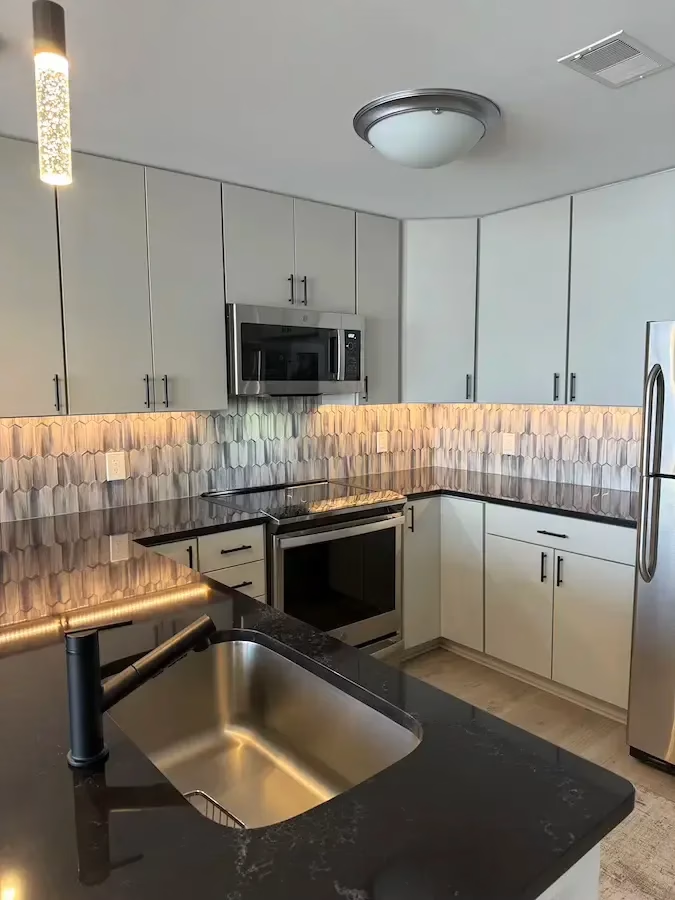
Benefits of Renovating Your Kitchen and Bathroom Simultaneously Read More »

Countertops

How to Choose the Best Bathroom Countertops

One of the things that can age a bathroom the most is outdated countertops. They look old, dingy, and out of place in a modern home–especially if they are of lesser quality material. Let us help you figure out how to choose the best bathroom countertops for your soon-to-be remodeled space. Discover different bathroom countertop materials, such as granite, quartz, and marble, and decide which stone is right for your space. View countertop stone patterns and designs, along with the many brilliant color options available. Don’t settle for anything less than the best for your home. Choose gorgeous new bathroom countertops and vanities for your bathroom renovation. Decide on Material Finding the right material is probably the most important decision you will make when figuring out how to choose the best bathroom countertops. A staple of modern bathrooms are high-quality materials, including gorgeous stone countertops for plenty of storage space and versatility. Some of the most popular countertop materials are granite, marble, and quartz. Although there are plenty of other stone & laminate countertop options, they are not typically recommended for durability or longevity. These natural stone materials can withstand the hot steam from showers and baths, the water from the sink, and constant wear and tear from daily use. While laminates or less durable stone might peel, chip, or stain, these materials can withstand whatever you throw at them. In order to really make your bathroom remodel shine, consider replacing cheaper laminate, tile, or vinyl with new granite, quartz, or marble countertops. These materials are beautiful, durable, and will ensure that your bathroom looks modern–even if you make no other changes. While each material has its advantages and disadvantages, the “big three” (marble, granite, and quartz) are long-lasting countertop options that come is a huge variety of colors and styles. Granite and quartz are two of the most common high-end countertop materials, but with so many options you’re bound to find a countertop that fits your design vision and budget in order to bring your bathroom into the modern world. Granite Countertops Granite is a durable countertop material that comes in many natural colors and styles and is sure to look gorgeous in any space. Granite can an affordable countertop option, depending on the style you select. Each slab of granite is completely unique and guaranteed to bring a wow factor to any bathroom. Granite is also one of the most popular countertop materials for remodeling kitchens and bathrooms due to the variety of color choices and durability of the stone. The stone also won’t weather or fade from light or sun exposure, so you can expect it to look great for decades to come. When correctly sealed, granite countertops won’t soak up liquid and will stay stain-resistant for the duration of their use. Quartz Countertops Quartz is a slightly harder material than granite, but it may be more affected by heat, so if you decide to install quartz countertops in your bathroom then be careful about leaving the curling iron out. The upside to the materials is that it is much less likely to chip or get damaged by usual wear and tear. Many people may not know that quartz countertops are man-made and consist of quartz chips or quartz dust bound together with resin. Quartz is also non-porous and will remain bacteria-free, which makes it a great option for bathrooms. Quartz typically comes pre-sealed before installation and has very little maintenance requirements. Colors The first step to choosing a color for your new bathroom countertops is to decide between a lighter or darker colored countertop, and then break the decision down further into tones and hues that coordinate with the rest of the bathroom. Consider if you will be using anything directly on the countertop and whether the surface could experience any staining or burning. It’s all too common to see marks left on a countertop or vanity from a curling iron or hair straightener that was accidentally left on. A white or light- colored countertop will show more scuffs, burns, and stains than a darker colored option. There are natural granite countertops in almost every color you can think of, however there tend to be many more options in earth tones of black, white, gray, green, blue, and tan or beige. Deciding between colors is a relatively easy step in figuring out how to choose the best bathroom countertops. Since quartz is man-made, color options are pretty limitless. Resins can be tinted to any hue and the quartz chips can be as uniform or diverse in color or arrangement as desired. Patterns The various patterns and unique design elements in natural stone countertops are a huge draw to selecting these materials for bathroom countertops and vanities. Marbling, speckling, and many other natural stone patterns make granite countertops a favorite for bathroom design. While some people prefer a solid countertop, such as a solid glossy white or slate gray, most people like the look of bathroom countertops with some kind of pattern or unique design element such as marbling. Quartz countertops may have patterns or designs, but they are typically not as dramatic as the natural patterns seen in the granite slabs that are used for countertops. Consider Your Budget Replacing outdated countertops can also go a long way towards making your current bathroom feel like a new space, even if that is the only update you make for the time being. There are some gorgeous countertop options out there, but ultimately the choice you make comes down to what fits within your budget and will look best in your home. If you have a set budget, consider speaking to a home remodeler or designer to get a better understanding of the cost of different countertop materials. Designers work with many countertop brands and materials and can provide both design and budget suggestions. You may find that your budget allows for more options than you imagined. Some man-made materials, such as quartz, can vary hugely in cost. The price of a

How to Choose the Best Bathroom Countertops Read More »

Bathroom Remodeling in District of Columbia

Kid Friendly Bathroom Designs

Learn about kid friendly bathroom design to ensure your bathroom is up to date and fits the needs of your family. Bathrooms are typically created with adults in mind and can be difficult to use for small children or children and teens with disabilities. Create a bathroom that your child can use and won’t outgrow as they get older. Bathrooms for children don’t have to look childish or odd. They can be modern, sleek, or any other kind of design that fits with the rest of your home. Check out some of our kid friendly bathroom designs and implement them into your bathroom remodeling project. Adjust for Height Consider the height of items in the bathroom. The standard height for vanities is 32 inches, so ensure the countertop height is lower if this is a bathroom solely for your child or for children to use. To avoid a sink or countertop that is too low for everyone else to use, another popular option is to provide a stepstool for younger children. If a steps tool isn’t possible, or you would like to create a put-together space without resorting to stools and boosters, consider installing a shorter pedestal sink or lower vanity that can be swapped out in a decade when children are a little older and taller. A pedestal or double sink also ensures that multiple children can brush their teeth at the same time and aren’t fighting for space around the sink or mirror. Lower Height Toilets Countertops and cabinets aren’t the only thing that need to be more accessible in bathrooms designed with children in mind. To ensure that children can easily use the bathroom, parents may want to install a shorter-height toilet. These types of toilets have the same plumbing, installation, and functionality as regular toilets but sit much lower to the ground to avoid messes and grant easy access. There are some very sleek designs out there so that it is not immediately obvious as a child’s toilet. You may also want to conder installing a toilet that comes all in one solid piece for ease of cleaning. One-piece toilets make cleaning simpler since there is no break or gap between the toilet tank and the base. Add a toilet paper holder that with an open end to make slipping a new roll on easy. Put Safety First Safety is paramount in kid friendly bathroom designs, so it’s important to consider not only preventing accidents but also keeping children away from hurting themselves. Adults are accustomed to hot water controls, whereas children may struggle with them. For sinks, consider installing a single lever faucet to easily control water temperature and make using the sink simple for smaller children since they just have to push the lever up. Many faucets come with temperature signs of red and blue on each side to make finding a safe, warm or cool temperature easier. Single lever faucets also help avoid as much water waste compared to two running faucets. For the shower, install shower controls with a single knob and include red and blue markings for hot and cold water (thermostatic shower valves). Children shouldn’t be able to dispense water that is hotter than 120 degrees Fahrenheit. To prevent access to scalding temperatures, choose a faucet that limits extremely hot water. There are faucets on the market that can slow the flow of water to a trickle to prevent scalding if the temperature is too hot, and even faucets with LED lights that indicate whether the water is too hot. Use Nonslip Materials When designing a bathroom meant for children, be wary of the potential for accidents. Slip and falls are one of the most common accidents that occur in the bathroom, therefore in a kid friendly bathroom design it’s important to include elements that keep children steady to avoid slips and falls. In order to prevent slips, falls, and other injuries consider installing a shower grab-bar and adding a non-slip bathmat in the shower or bathtub. A rug with a rubber backing for gripping the floor placed in front of the sink and shower is also a good idea, since those areas typically get slippery. Another popular safety measure is to add a towel railing that doubles as a grab bar. Make Bath Time Easier In order to make the shower or bathtub a little more accessible for smaller children, you may want to consider adding shower inserts or niche to place hygiene items at their height. You can also install a combination shower and bathtub with flat spaces for placing soap or hair products, so those items don’t get knocked into the shower when in use. Shower inserts can also help facilitate the order of using bathing products, with each item neatly aligned in the order of use. If you can’t add a tile insert or have a shower with no space for sitting items down and aren’t looking to change that aspect, consider kid-friendly shower caddies or shower baskets that hold toiletries.   Make Showering Simple Keep showering safe and prevent messes caused by water damage. Add a hookless shower curtain to avoid the curtain or liner from coming off or becoming tangled. A closed hook curtain liner guarantees that there is no way for kids to accidentally remove a curtain hook from the rod and injure themselves or break something. Get shower curtain liners with magnets in the liner that stick to the shower or bathtub sides, or suction cups. This will prevent water from getting out onto the floor. Add a vent fan to prevent mold and mildew from water damage. A vent fan is part of a kid friendly bathroom design, since kids just have to turn on a switch. To brighten the space up, you might as well add a fun shower curtain for the kids while you’re at it.   Add Plenty of Storage Children typically keep all their morning and bedtime routine items in the bathroom and need plenty of

Kid Friendly Bathroom Designs Read More »

Bathroom Remodeling in Annandale

How to Remodel Bathroom on A Budget?

  While each remodeling budget is different, the amount of time and energy that you want to put into updating your bathroom can help offset some of the costs–especially if you are willing to a little bit of extra research, DIY, and creative planning. We’ve put together some cost-saving ideas to help you remodel your bathroom on a budget. Do Some Research Prior to getting started on your bathroom remodeling project, it’s important to research not only how much the changes you want will cost, but also how to plan out and reduce costs. If you want a full bathroom remodel on a strict budget, there are some areas that will require sacrifices. Start by looking at bathroom remodeling projects that have similar features and updates as what you would like to do to your own bathroom. This will help you get a general idea of how much your remodel will cost and which aspects tend to be most expensive to update. You may also want to speak to a remodeling company or design expert to determine your options for fulfilling your must-haves while keeping costs low. A bit of research will help you go into the bathroom remodeling process with realistic expectation as well, so you aren’t left disappointed with the outcome or surprised by estimates you may receive. Create & Plan Your Budget It’s easy to get carried away and splurge on an item here and there, but those small costs tend to add up fast. While having a budget is important to reining in costs, planning out how you will spend the money goes an even longer way towards remodeling your bathroom on a budget and ensuring you don’t break the bank. Even if you haven’t created a bathroom remodeling budget set in stone, creating a rough budget can help you narrow down remodeling choices and start conversions with designers and remodelers. A fixed budget also allows you to determine which aspects of your bathroom need to be updated and which parts you’re alright with keeping. You will need to either adjust your expectations or your budget to find the perfect give and take solution to ensure the best possible outcome. Clean First Sometimes a room can feel old and outdated because it doesn’t appear as new as it used to. A thorough professional cleaning can leave your bathroom looking just as great as when it was new and could save you a lot of money on repairs. You may not need a new bathtub or updated tile, if the only problem is a bit of dirt or staining. Before you jump to replace those old tiles or remodel your bathroom flooring, deep clean the areas that you would like to update and determine if an update is still necessary. Many times, a thorough, professional cleaning can make parts of a bathroom feel brand new again. Something as simple as hiring a professional cleaner to come and clean your bathroom can help you determine which aspects of a remodel are essential and which were purely aesthetic and just needed a bit of deep cleaning. Buy Used or Reclaimed Materials Many bathroom remodelers can help you get ahold of reclaimed or only slightly used materials for your bathroom remodeling project. In the U.S. there are many secondhand shops and materials stores that offer surplus materials for home improvement projects, such as the Habitat for Humanity Restore, along with discounted or older materials from remodeling companies. Before buying brand new materials, consider whether a slightly used or reclaimed material would serve the project just as well. In addition to looking for materials at second-hand stores, and online buy/trade/sell websites such as Craigslist or Freecycle, tell friends and family about your bathroom remodeling project and ask them if they have any extra materials or ideas for keeping costs down. You never know, you might find that perfect rustic farmhouse sink or gorgeous porcelain accent tile to incorporate into your bathroom. Best of all, reclaimed materials are usually a fraction of the cost of buying new or special orders. Professional remodelers have experience getting quality materials for less and may be able to help you select items that cost less money but still look and function great. Focus on Fixtures Update faucets, vanity pulls, lights, and other small details that can change the look and feel of a room. You’d be surprised at just how different a small bathroom feels with updated lighting, new drawer pulls, and a modern sink or faucet. Not only do these small details really help a space feel new, they are also inexpensive and allow you to put your own flair and personality into the room. Here are just a few items that you can replace to make your bathroom look and feel new: Sink Faucet Vanity/cabinet pulls Showerhead Overhead or vanity lighting Bathtub Faucets Toilet tissue holder Vent covers Updated mirrors Storage baskets/cabinets Part of the fun of remodeling is putting your own design preferences and stylistic choices into the space, so have fun with the new features you decide to incorporate. Update the Paint to Bathroom Remodel Paint is an effective way to make a room feel updated without spending too much money. If you do decide to DIY painting your bathroom or bathroom cabinets, get all the materials you will need handy and watch a few video tutorials before you begin painting. If you aren’t a great painter or would prefer to have a professional handle the work, painting is still an affordable way to update your bathroom and ensure it looks incredible. Either way, it’s easy to give your bathroom a fresh face with new paint. Whether you are changing the color on your bathroom walls or updating your vanity cabinets with a new color, paint is an inexpensive way to freshen the bathroom and make it feel like a new space without breaking the budget. Painting your bathroom walls offers a simple way to change the look and feel of the room, especially when coupled with small hardware changes and accessories. Painting cabinets or wall trim allows you to save room in the budget and get rid of any unsightly cabinet chips, stains, or peeling. If you’re tired of an all-white bathroom, add some color. Conversely, if you hate the outdated color or want a more sophisticated space, go monochromatic with grays and whites. Refinish Instead of Replacing

How to Remodel Bathroom on A Budget? Read More »